The Latest News

MAPA Leadership & Development Committee Hosts Discussion with AAPA President – Elect

The Leadership and Development Committee was honored to welcome AAPA President-Elect,  Dr. David Bunnell, to their meeting on April 27. In addition to serving as the President-Elect of the American Academy of Physician Associates (AAPA), Dr. Bunnell is a PhD trained PA and an Assistant Professor in the Doctor of Medical Science program at the University of Maryland. His clinical experience ranges from cardiology, to cardiothoracic surgery and critical care. He will take over as President of AAPA in July 2026.

Dr. Bunnell engaged the group in a lively discussion about finding your passion and unique leadership style as a PA. The discussion even touched on questions such as “how do I survive imposter syndrome?” and “can a healthcare organization survive without PAs?” 

Young PAs in their first two years of practice are of special interest to Dr. Bunnell. He understands the daunting jump from PA-S to becoming an experienced PA-C. “There’s about a two year period where we don’t know what to do with you,” he said. However, he encouraged PAs to, “own this space to help young career PAs to become experts.” He said that one way young PAs can bridge this gap is by identifying their professional passion.

Dr. Bunnell discussed his own path to leadership. While he has years of emergency medicine experience, he discovered his passion in surgery. He joined the Association of PAs in Cardiothoracic and Vascular Surgery (APACVS) as a way to become a leader in his field. Dr. Bunnell says that joining a relevant professional organization is key to overcoming imposter syndrome, telling participants, “We need you to do what YOU are great at.” Once established within the organization, Dr. Bunnell encouraged PAs to run for the leadership board.

To young PAs looking to establish themselves within their healthcare organization, Dr. Bunnell advised that they be prepared to, “keep shifting,” in order to keep up with the endless needs of healthcare organizations. Making connections with professional staff such as clinic managers and organization executives can also help PAs stand out. Lastly, PA’s should seek out leaders they admire and ask them a simple question, “How can I help?”

The discussion came to a close with one final piece of advice from Dr. Bunnell: never forget that PAs are essential. He encouraged all PAs to enter every room knowing that they are just as indispensable as any other healthcare worker and to use that confidence to establish their leadership style. “You are essential. PAs are essential. Make it part of your professional identity.”

The MAPA Leadership and Development Committee hosted this conversation with Dr. Bunnell as part of their monthly leadership training sessions. The MAPA Leadership and Development Committee is dedicated to cultivating Minnesota PA leaders at every stage of their career. At each meeting, the committee sits down with PA leaders from Minnesota and beyond to discuss their career journey. Leaders discuss the decisions that mattered most, the resources that shaped them, and the lessons they wished they had learned sooner. While this committee is open to everyone, most sessions are geared toward PA students and early-career PAs (0-5 years).  If you are a Minnesota PA looking to connect with other leaders and add leadership training to your resume, email Matt Weiseman at matthew.weiseman@fairview.org.
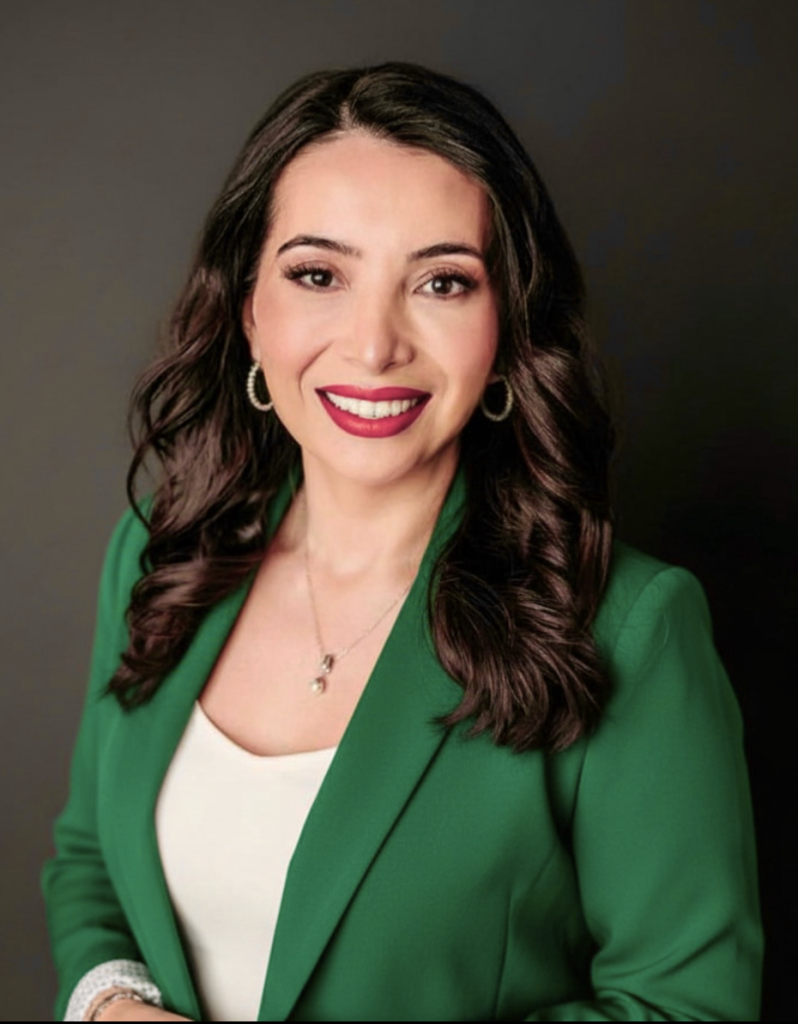
MAPA Endorses Paola Gonzalez for AAPA Director at Large

About Paola Gonzalez, MPAS, PA-C:

Why I am running for office:

With more than 20 years of clinical experience, I’ve dedicated my career to advancing the PA profession while advocating for the patients we serve. Over the past two years as AAPA Director at Large, I’ve worked to turn advocacy into action, opening national doors for PAs, including becoming the first PA clinician appointed to the PCORI Patient Engagement Advisory Panel. I’m running for reelection because our work isn’t finished. At a time when healthcare is rapidly evolving, we must protect our seat at every table, strengthen our voice, and ensure PAs are empowered to practice at the top of their training.

My vision for AAPA is bold and clear: a unified, forward-thinking organization that leads with purpose. That means championing policies that protect access to care, investing in mentorship and leadership pathways for the next generation, and continuing to advocate for health equity in every community. From addressing student loan challenges to protecting patient rights and combating preventable diseases, the stakes are real, and so is our responsibility to lead.

I bring not only experience, but the resilience and perspective gained from serving on the Board, understanding how to build coalitions, navigate challenges, and create lasting change. As a first-generation Colombian immigrant, bilingual PA, and leader shaped by both personal and professional experiences, I am committed to ensuring every voice is heard and every patient is seen.

Together, we can elevate our profession and shape the future of medicine.

I’m asking for your vote for AAPA Director at Large, because the work continues. Juntos Todo Se Puede.

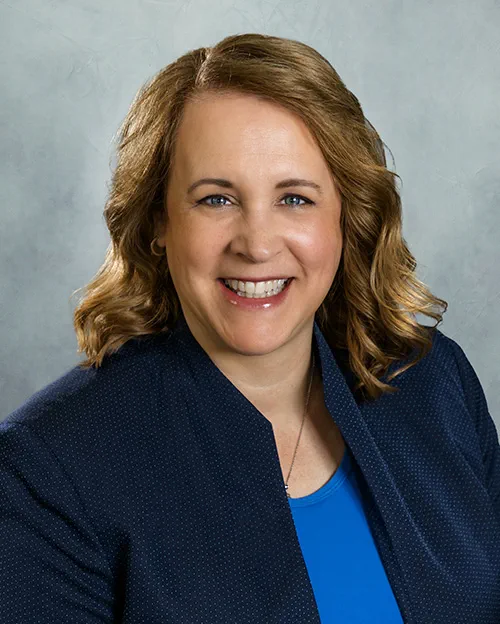
MAPA Endorses Leslie Clayton for AAPA President

About Leslie Clayton, DMSc, PA-C, DFAAPA:

The Minnesota Academy of Physician Assistants (MAPA) is proud to offer our formal endorsement of Leslie Clayton, DMSc, PA-C, DFAAPA for the position of AAPA President-Elect. Having served our state chapter for nearly 20 years in roles ranging from President to Legislative Chair, Leslie has consistently demonstrated a profound commitment to the growth and protection of our profession. Her deep-rooted connection to MAPA ensures that the challenges faced by state-level leaders remain a primary focus at the national table, bridging the gap between local needs and national strategy.

Leslie’s extensive leadership and clinical background uniquely position her to represent PAs in all practice settings. Key highlights of her experience include:

  • National Advocacy: Serving as Chair of the American Hospital Association’s APP Advisory Group to promote PA’s in senior health system leadership.
  • Clinical and Academic Leadership: 28 years of clinical practice and a decade of experience as a PA faculty member and a doctoral instructor.
  • Administrative Oversight: Current role as Program Director for Advanced Practice for a large academic health system, supporting over 1,300 PAs and APRNs.

Most notably, Leslie’s legislative acumen has been a catalyst for historic progress in Minnesota, including the removal of supervision and the passage of the PA Compact. She possesses a rare ability to defend our profession with integrity and evidence-based authority, even in high-pressure political environments. We believe her vision and strategic expertise will serve as a significant asset to the AAPA Board of Directors and we invite our members to consider her candidacy as we work together to advance the future of PA practice.


MAPA Members Presenting at AAPA

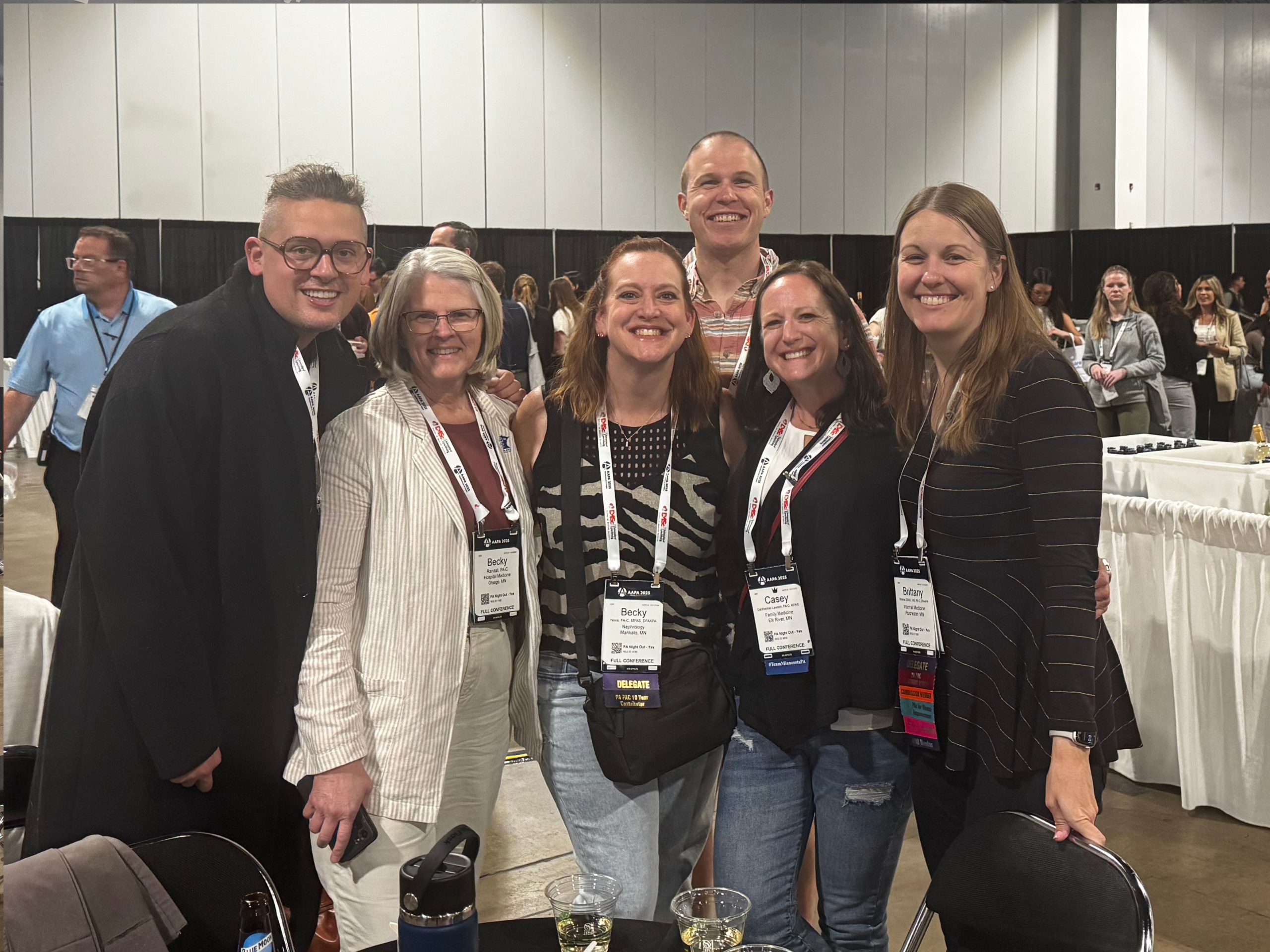
AAPA is heading to New Orleans in May, and MAPA members are out in force.

Congratulations to our 11 MAPA Members selected to present at this year’s event!  Read on to see who you can look for in the Big Easy.

Mike Breunig, PA-C, Ed.D. 
Associate Program Director, Mayo PA Program
PA in Hospital Internal Medicine, Mayo Clinic 

Using Point-of-Care Ultrasound: Tips, Tricks, and Practical Advice. Introduction to Point-of-Care Ultrasound Workshop 

Point-of-Care Ultrasound (POCUS) is an increasingly important skillset for all clinicians. It’s important for PAs to stay up-to-date on evolving practices and work to include them in their clinical practice. POCUS allows for rapid and accurate bedside assessment of our patients to make informed care decisions.


Andy Herber, PA-C 
Hospital Medicine PA and Chair of NPPA Education at Mayo Clinic

Lab Rats to the Rescue: A Quick Review of Laboratory Medicine. Andy began his career with an undergraduate degree in clinical laboratory medicine, spending several years working in the lab before transitioning to become a physician assistant. With over 20 years of experience practicing in hospital medicine, he has developed a passion for teaching at the intersection of laboratory science and clinical care. Known for his enthusiastic, case-based style, Andy brings sessions to life with pop culture references and a generous dose of dad jokes.


Justine Herndon, MS, PA-C 
PA in Endocrinology, Mayo Clinic Rochester, and Educator, Mayo Clinic PA Program

Get Me Off Steroids! Navigating a Difficult Taper Practice

Did you know that 1% of adults will be on chronic glucocorticoids at some time? Depending on how long someone is on glucocorticoids, they could be at risk for adrenal insufficiency or glucocorticoid withdrawal. I’m excited to share this presentation with AAPA attendees, as this is a common consult we get in endocrinology; however, as I’m sure many of you are aware of, wait times can be long to get into endocrine. This presentation will give you tips/tricks for navigating steroid tapers when patients are struggling to get down on that steroid dose!


Elise Roxas, PA-S2 
Mayo College of Medicine and Science PA Program

Poster Presentation: Boosting Hepatitis B Vaccination Rates Among Healthcare Workers

I am presenting about an intervention conducted in hopes to decrease the amount of overdue hepatitis B vaccination rates in healthcare workers, who are a high-risk group for contracting hepatitis B.


Lindsey Wallace, DScPAS, PA-C 
Critical Care Medicine (medical ICU) PA and NP/PA Critical Care Fellowship Program Director 

Critical Care Tips and Tricks, and Toxidromes 

Critical care can be a daunting topic for some, but we created these lectures with the goal in mind to help clinicians take home helpful tips to change or enhance their practice.


Hayden Middleton, DMSc, PA-C
Family Medicine with special interest in Dermatology/Dermoscopy

Introduction to Dermoscopy Workshop

I’m passionate about dermoscopy because it enables earlier detection of skin cancers and improves diagnostic accuracy. I’m especially motivated to help more non-dermatology clinicians feel confident using this tool. Overall, dermoscopy empowers clinicians to make more confident, evidence-based decisions while helping reduce unnecessary biopsies and specialty referrals. I hope to see you in New Orleans for our beginner dermoscopy workshop!


Danielle O’Laughlin, PA-C, MS
Community Internal Medicine, Mayo Clinic

Team Lead of the Primary Care Gynecology Clinic

Clinical Skills Co-Director, Mayo Clinic PA Program

Acute Breast Disorders

Acute Breast Disorders is a presentation applicable to the care of all women across multiple specialities. This lecture covers various benign and malignant breast conditions from etiology, symptoms, diagnosis, management, and patient education to help improve patient care.


Katarina Astrup, MSPAS, PA-C
Psychiatry PA at  Minnesota Clinic for Health and Wellness 

Early Career Success Roundtable: Avoiding Burnout & Personal Finance and Loan Repayment 

I’m looking forward to presenting on burnout prevention and personal finance because early career success isn’t just about clinical skills, it’s about sustainability. As a PA who experienced burnout early in my career while carrying six-figure student loan debt, I’ve seen how closely financial stress impacts overall well-being. Learning how to manage money and pursue financial independence gave me more options and flexibility. Through my work and podcast, I’m passionate about helping other PAs build careers that align with their lives and support their well-being.


Ashleigh Cutt, PA-C, Family Medicine PA at HealthPartners 

Matt Weiseman, PA-C, Family Medicine at MHealth Fairview

Clinic Chameleon: The Magic of Family Medicine Flexibility.

Ashliegh says, “I’m thrilled to attend AAPA for the first time and present with my colleague Matt Weiseman, PA-C. Having worked in primary Care for over 10 years, I have seen many providers leverage unique skills within their practice to “sub specialize”, enhancing clinician experience and well-being. We’re excited to share some of these opportunities with students and in doing so invite them to join us in family medicine!”


Nina Langley, PA-S2 Mayo College of Medicine and Science PA Program

Poster Presentation: Glioblastoma: Why Social Determinants of Health Matter

This presentation will provide a foundational overview of Glioblastoma (GBM), including an emphasis on the 2021 WHO classification of Gliomas. It will also highlight a GBM case, illustrating the complexity of care in GBM management and the influence of Social Determinants of Health on patient outcomes.

Student Relations Hosts Pre-PA Coffee Hours

The MAPA Student Relations Committee is on a mission to break down barriers for prospective, first-generation PA students, one cup of coffee at a time. 

On April 10, the Student Relations Committee hosted its first Pre-PA Coffee Hour at Dovetail Cafe in Duluth with 12 undergraduate students from the University of Minnesota-Duluth and the College of St. Scholastica. Six PA Students from the College of St. Scholastica led the event, fielding questions about PA School applications and talking strategy for the Centralized Application Services for Physician Assistants, also known as CASPA. 

“The pre-PA journey can be incredibly challenging and sometimes overwhelming, but it’s also incredibly rewarding. As a class, we are all passionate about supporting the next cycle of students and helping them navigate the pre-PA life,” explained Matti Griffor, PA-S1. 

MAPA Student members Matti Griffor, Shane Sanza, Alysia Monjeau, Maya Ziemba, Evan Daley, and Carter Carpentier all participated in the event and shared their experiences in both didactic and clinical training. Their advice to students? Find your community and take advantage of opportunities for mentorship. 

According to the AAPA’s 2021 Student Survey, 23% of PA students were the first generation in their family to attend college. This suggests that these students likely do not have built-in connections, such as a parent working in the medical field, to assist them with the PA School application process.

“This event was a space for these students to feel seen and heard throughout this process,” said Griffor.

The Student Relations committee will host at least six more Pre-PA Coffee Hours throughout the year. Three coffee hours will be identity-focused with meet-ups geared towards undergraduate students in the Hmong, Somali and Latinx communities. More information about upcoming coffee hours will be available via the MAPA Student Hub.

If you are a PA student or a PA professional interested in getting involved with The MAPA Student Relations Committee, fill out a Committee Interest form and help us support the next generation of PA Students.